AI Glasses
Wearable Multimodal AI
Creative Technology · Hardware · AI
Ask your glasses
what you're looking at.
AI Glasses is a scrappy DIY wearable: a tiny camera clipped to an ordinary pair of frames streams my point of view to a multimodal AI, so I can ask about whatever is in front of me — read it, translate it, solve it — hands-free. No custom silicon, no fancy SDK: just a mini analog cam, a video encoder, an RTSP stream, and the Google Gemini API doing the thinking.
Smart glasses, the scrappy way.
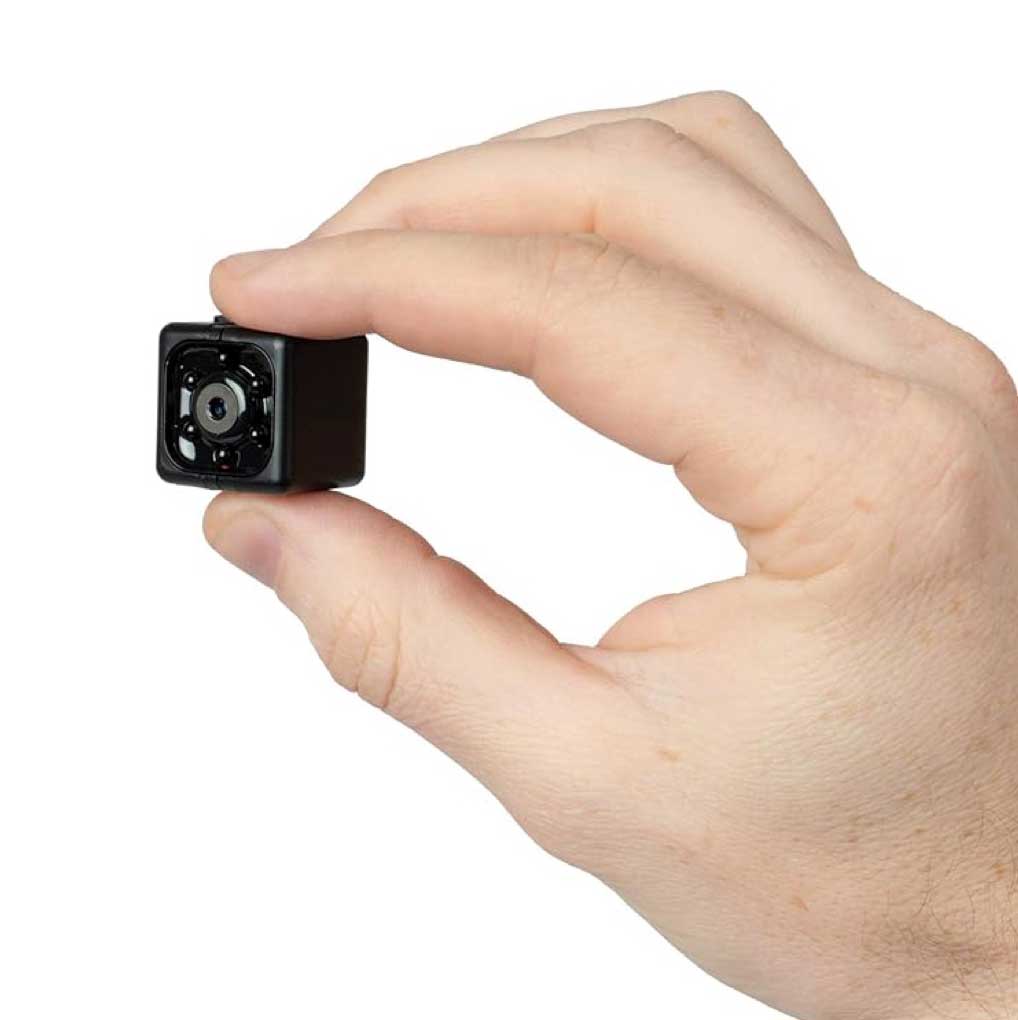
Consumer AI glasses are expensive and closed. I wanted to feel the idea for myself with parts already on my desk — so I clipped an analog mini camera to my everyday frames, piped its feed out as a network video stream, and wired that into a multimodal model. It's admittedly not the elegant way to do it. But it answers the only question that matters at the prototype stage: what does it feel like to look at something and just ask?
Not the most elegant build — just the most fun to test.
From my eyes to the model.
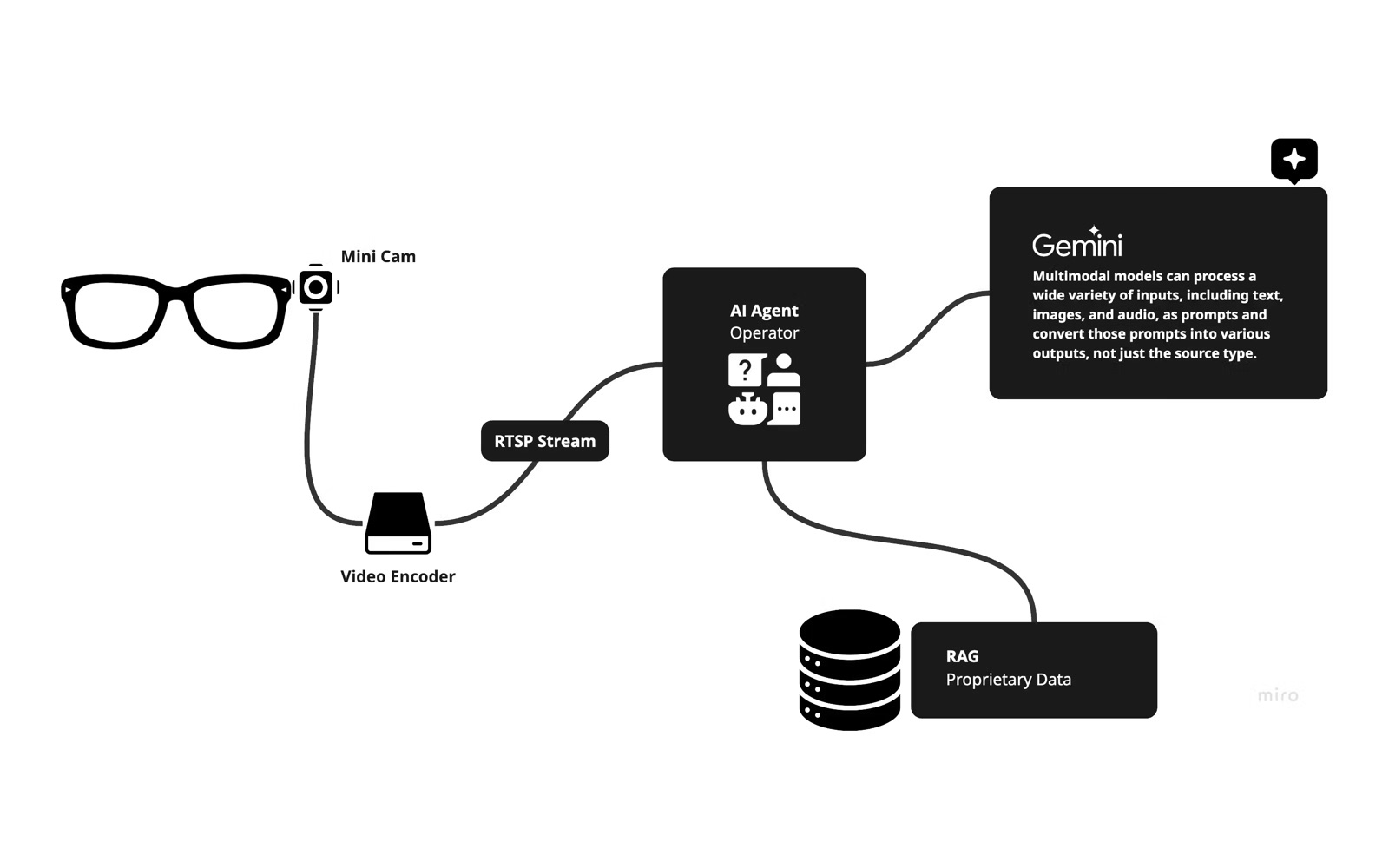
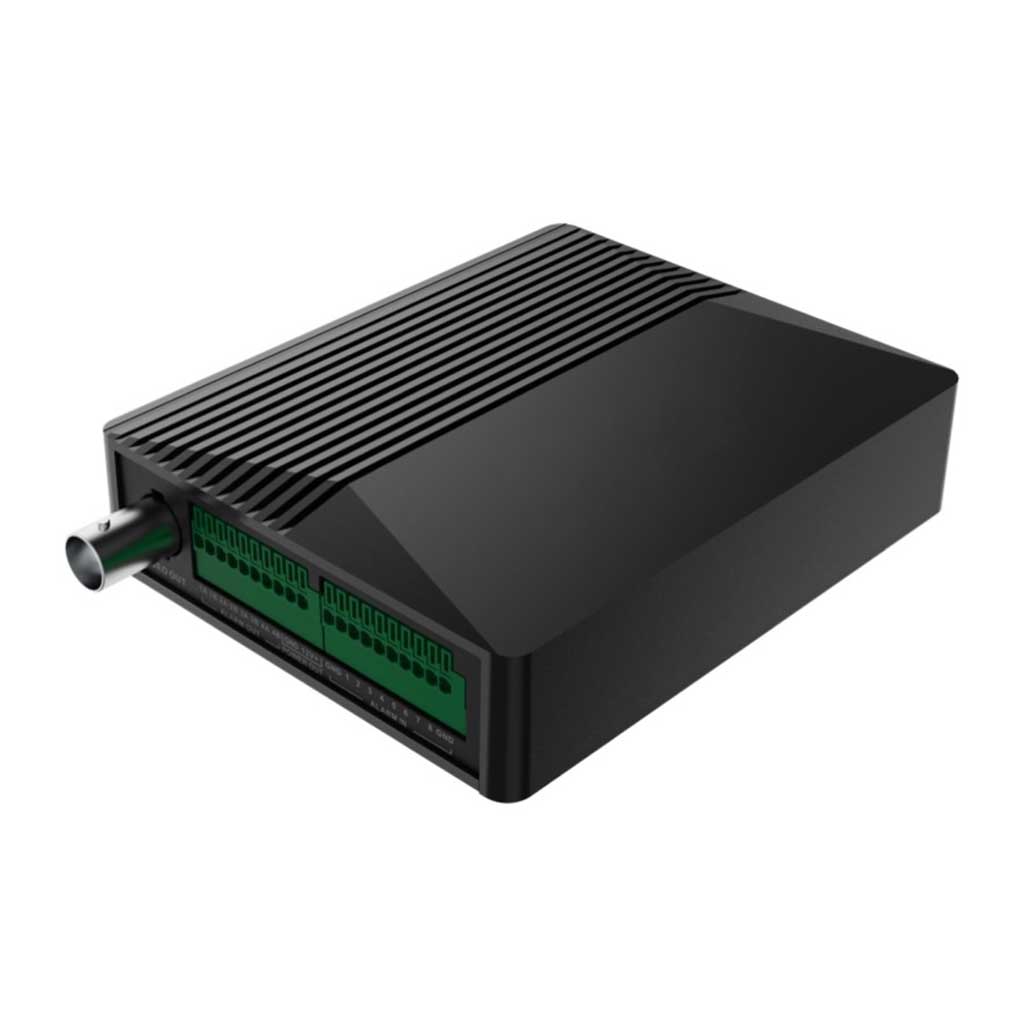
The pipeline is deliberately simple. The mini cam captures whatever I'm looking at; a video encoder turns that analog feed into an RTSP stream on the network; an AI agent grabs a frame plus my question and hands both to Gemini, whose multimodal models read images, text and audio and answer in plain language. A RAG layer can ground those answers in my own reference data when the question needs it.
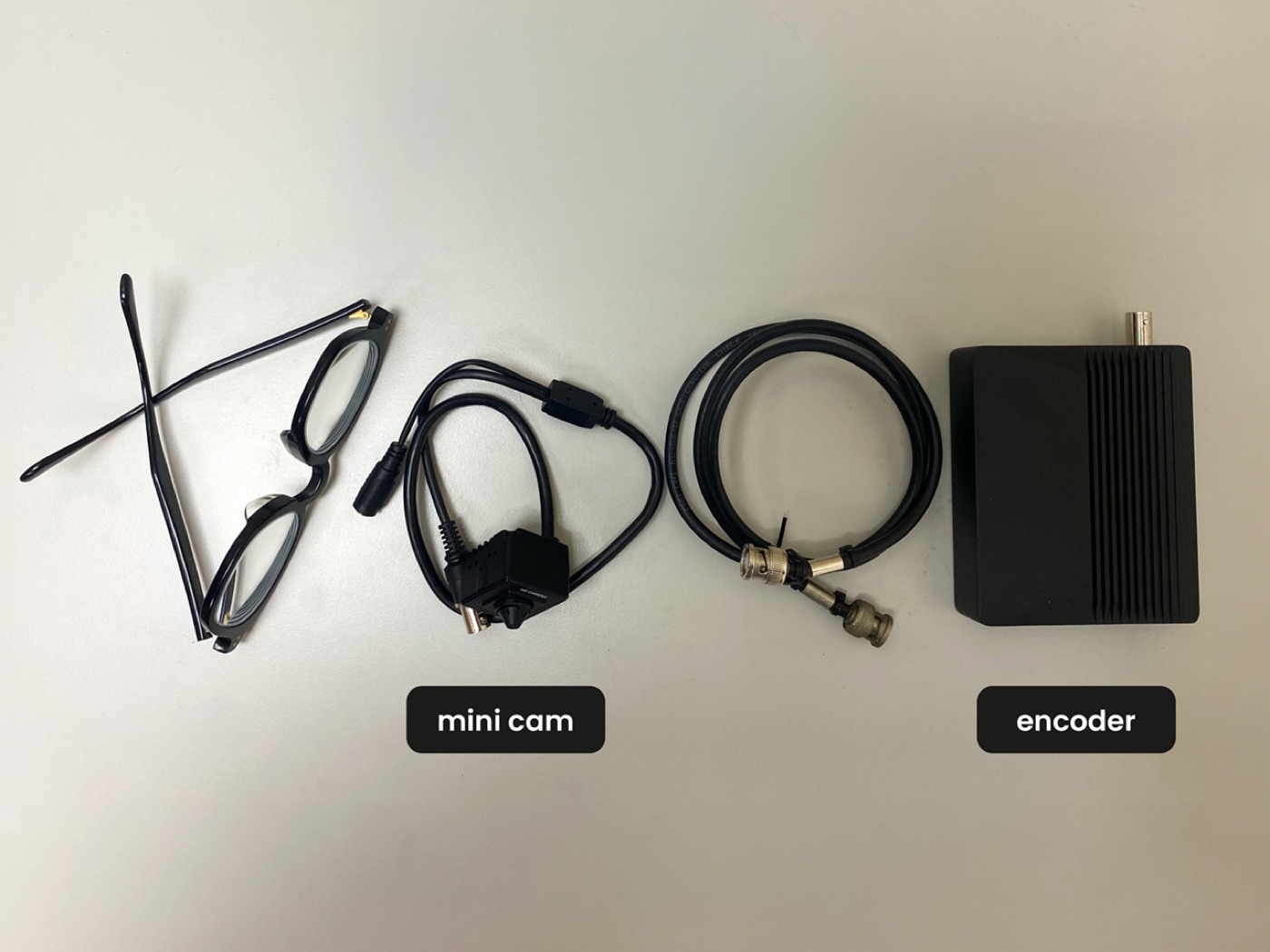
Two off-the-shelf parts.
The whole rig is a pair of glasses, a thumb-sized analog camera, and a small video encoder — that's it. The cam clips to the frame and rides on your temple; the encoder does the unglamorous job of getting the picture onto the network. Cheap, hackable, and entirely reversible.
Look, ask, answer.
Three quick tests show the range once your view becomes a prompt — the same wearable handling recognition, language and reasoning with nothing but a question.
# send a frame from the RTSP stream + a question to Gemini
from google import genai

client = genai.Client(api_key="YOUR_API_KEY")

response = client.models.generate_content(
    model="gemini-2.5-flash",
    contents=[frame, "What am I looking at?"],
)
print(response.text)
A weekend experiment more than a product — but a real one you can wear, and a hands-on way to feel where wearable, always-available AI is heading. Full write-up and demos on Hackster →